
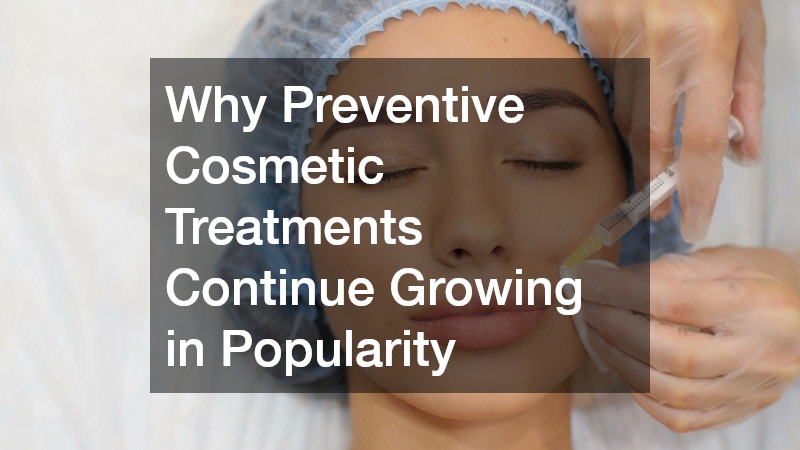
Many people today approach skincare and cosmetic care with a long-term mindset. Instead of waiting for deeper wrinkles or more noticeable signs of aging to appear, individuals are increasingly exploring preventive treatments that help maintain a refreshed appearance over time. Advances in aesthetic medicine have also made non-surgical options more accessible and widely discussed than in previous years.
One of the most recognized treatments in this botox/’> area is Botox, which is commonly used to soften facial lines and reduce the appearance of wrinkles caused by repeated muscle movement. While cosmetic goals vary from person to person, many individuals choose this treatment as part of an ongoing skincare and wellness routine.
Facial Expressions Play a Role in Wrinkle Formation
Facial movement is a normal part of daily communication. Smiling, squinting, raising eyebrows, and frowning all involve repeated muscle activity beneath the skin. Over time, these repeated motions can contribute to visible lines and creases, especially around the forehead, eyes, and between the eyebrows.
As collagen production naturally slows with age, the skin becomes less able to bounce back from these repeated movements. Lines that once appeared only during expressions may gradually remain visible even when the face is at rest.
Botox works by temporarily relaxing targeted facial muscles, which helps soften the appearance of expression-related wrinkles. The treatment does not stop natural facial movement completely when administered properly. Instead, it helps reduce the muscle activity that contributes to deeper line formation.
Many People Seek Natural-Looking Results
One of the biggest reasons cosmetic injectables continue gaining popularity is the shift toward subtle enhancements rather than dramatic changes. Many patients are not looking to appear completely different. Instead, they want to look more rested, refreshed, or smoother while still maintaining natural facial expressions.
Treatment plans are often customized based on facial structure, muscle movement, and personal preferences. Some individuals choose smaller treatment amounts to maintain softer movement, while others focus on specific areas of concern.
Botox appointments are typically relatively quick, making them appealing for people with busy schedules. Most patients can return to normal daily activities shortly after treatment, though providers usually recommend following certain aftercare instructions to support the best possible results.
Preventive Approaches Have Become More Common
In recent years, younger adults have started exploring cosmetic treatments earlier than previous generations. Many people in their twenties and thirties seek treatment before deeper wrinkles fully develop.
This preventive approach focuses on reducing repetitive muscle movement that contributes to long-term line formation. While every individual ages differently, some patients believe that consistent treatment may help delay the appearance of more noticeable wrinkles later on.
Botox is often part of a broader skincare plan that may also include sunscreen use, hydration, medical-grade skincare products, and professional facial treatments. Combining these approaches can support healthier-looking skin over time.
Choosing Qualified Providers Matters
As cosmetic treatments become more common, selecting a qualified and experienced provider remains extremely important. Facial anatomy is complex, and proper injection technique influences both safety and appearance.
Experienced professionals evaluate muscle movement, facial symmetry, and overall skin condition before creating a treatment plan. This helps ensure results look balanced and natural rather than overdone.
A professional consultation also gives patients an opportunity to discuss expectations, ask questions, and review any medical considerations before receiving Botox treatment. Clear communication helps patients feel more informed and comfortable throughout the process.
Results Are Temporary and Require Maintenance
One aspect many first-time patients do not realize is that cosmetic injectable treatments are temporary. Results gradually fade as muscle activity returns over time. Most patients schedule maintenance appointments periodically to maintain their desired appearance.
The longevity of Botox results varies depending on factors such as metabolism, muscle strength, treatment area, and dosage. Some individuals notice results lasting several months, while others may require adjustments sooner.
Because results are temporary, treatment plans can also evolve over time based on changes in facial structure, skin condition, or personal preferences.
Cosmetic Care Is Often Connected to Confidence
For many individuals, cosmetic treatments are not about perfection. Instead, they are connected to confidence and personal comfort. Some people simply want to soften features that make them appear tired, stressed, or older than they feel.
Feeling more confident in personal or professional settings can positively influence daily interactions and self-image. Cosmetic care choices are highly personal, and motivations vary widely from one individual to another.
Botox has remained popular because it offers a non-surgical option for addressing visible signs of aging while allowing patients to maintain a natural overall appearance when treatment is performed carefully.
Supporting Long-Term Skin Goals
Modern cosmetic treatments continue evolving as more people prioritize long-term skincare and preventive care. Non-surgical options provide individuals with flexible ways to address aging concerns without extensive recovery time or major procedures.
Botox remains one of the most widely recognized treatments because of its ability to soften expression-related wrinkles and support a refreshed appearance. With personalized treatment planning and qualified professional care, many individuals incorporate it into broader skincare routines focused on maintaining healthy and confident aging over time.
About The Author
