A decision to undergo cosmetic surgery is highly personal and often comes after careful thought about appearance goals, physical comfort, and long-term expectations. Many individuals explore body enhancement options to improve symmetry, restore volume after life changes, or boost overall confidence. While the procedure has become more common and more advanced over the years, it still requires a clear understanding of what it involves, how recovery works, and what outcomes are realistic.
Making an informed choice begins with learning about the process, considering personal health factors, and understanding both the benefits and limitations of surgery. This helps ensure expectations remain realistic and aligned with individual goals.
Understanding the Procedure and Expectations
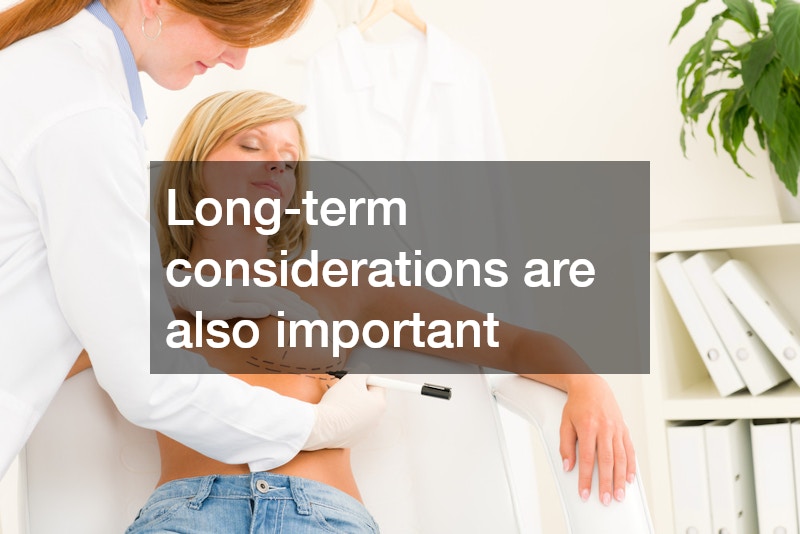
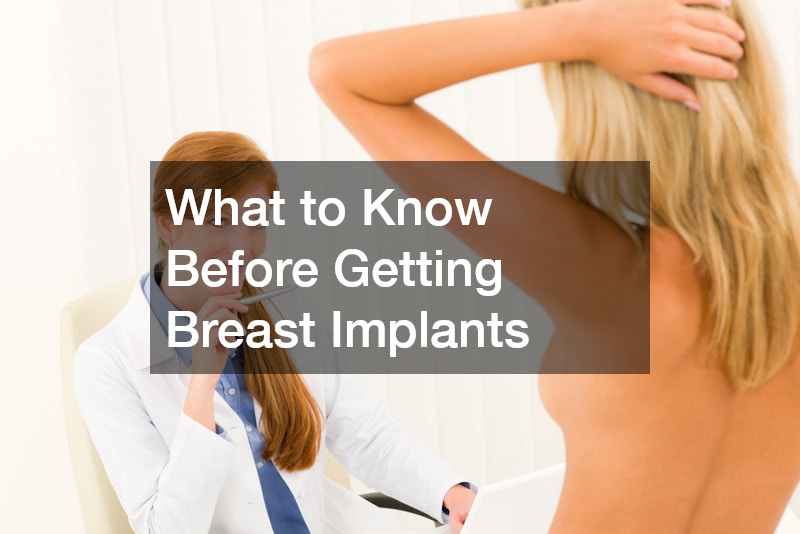
Before making any decisions, it is important to understand what the procedure involves from start to finish. This typically begins with a consultation where a qualified medical professional evaluates health history, discusses goals, and reviews available options. Factors such as implant type, size, placement, and surgical technique are all considered during this stage. A well-informed decision can lead to satisfaction with both the process and the results.
For those exploring cosmetic enhancement, breast implants are designed to increase volume, improve shape, and create a more balanced appearance. However, results vary depending on body type, tissue structure, and healing response. It is essential to recognize that while improvements can be significant, outcomes are not identical for every individual. Considering these variations can help manage expectations effectively.
The procedure itself is performed under anesthesia and generally involves placing a medical-grade implant either above or below the chest muscle. The approach depends on anatomy and desired results. Following surgery, patients typically experience swelling, soreness, and temporary movement restrictions as the body begins the healing process. Adhering to medical advice is crucial for minimizing complications during recovery.
Evaluating Candidacy and Health Considerations
Not everyone is an ideal candidate for cosmetic surgery. A thorough evaluation helps determine whether the procedure is appropriate based on overall health, lifestyle, and expectations. Individuals should be in good general health and free from conditions that could interfere with healing. A full understanding of one’s health status contributes to the safety of undergoing surgery.
Lifestyle factors also play an important role. Smoking, for example, can negatively affect recovery and increase risks during and after surgery. Maintaining a stable weight and having realistic expectations about results are also important considerations. Adopting a healthier lifestyle can enhance both the surgery outcome and overall well-being.
During consultation, medical professionals assess physical anatomy, skin elasticity, and tissue characteristics. These factors help guide recommendations and ensure that the chosen approach aligns with both safety and desired outcomes. Open communication during this stage is essential to achieving a clear understanding of potential results and limitations. Transparent discussions with your surgeon form the foundation for successful outcomes.
Recovery and Lifestyle Adjustments
Recovery is a key part of the process and requires patience and proper care. After surgery, the body needs time to heal, and activity levels are typically restricted for several weeks. Light movement is often encouraged early on, but strenuous exercise and heavy lifting are avoided until cleared by a medical professional. Following post-operative guidelines can speed up the recovery process.
Swelling and discomfort are common during the initial recovery period and gradually improve over time. Follow-up appointments are essential to monitor healing and ensure that everything is progressing as expected. Regular check-ups help address any concerns promptly and adjust care as needed.
Many individuals considering breast implants should also plan for temporary adjustments to their daily routine. This may include taking time off work, arranging help with household tasks, and wearing supportive garments as directed. Proper aftercare plays a significant role in achieving smooth recovery and long-term satisfaction. Planning ahead for these changes can reduce stress and support healing.
Risks, Maintenance, and Long-Term Considerations
As with any surgical procedure, there are potential risks involved. These may include infection, changes in sensation, scarring, or complications related to healing. While advancements in medical techniques have improved safety and outcomes, no procedure is entirely risk-free.
Long-term considerations are also important. Implants are not considered lifetime devices, and future procedures may be needed for replacement or adjustment. Regular checkups help monitor condition and ensure ongoing health and safety.
It is also important to understand that physical changes over time, such as aging, weight fluctuations, or pregnancy, can influence results. Maintaining a healthy lifestyle and following medical guidance can help support long-term outcomes.
Choosing to undergo cosmetic enhancement is a decision that should be made with care, research, and professional guidance. Understanding the procedure, evaluating health factors, preparing for recovery, and considering long-term maintenance are all essential steps in the decision-making process.
When approached thoughtfully, breast implants can help individuals achieve their desired aesthetic goals while maintaining realistic expectations about results and recovery. Consulting with qualified professionals ensures that safety remains a priority and that each step of the journey is tailored to individual needs and circumstances. Ultimately, informed choices lead to more confident outcomes and a better overall experience.